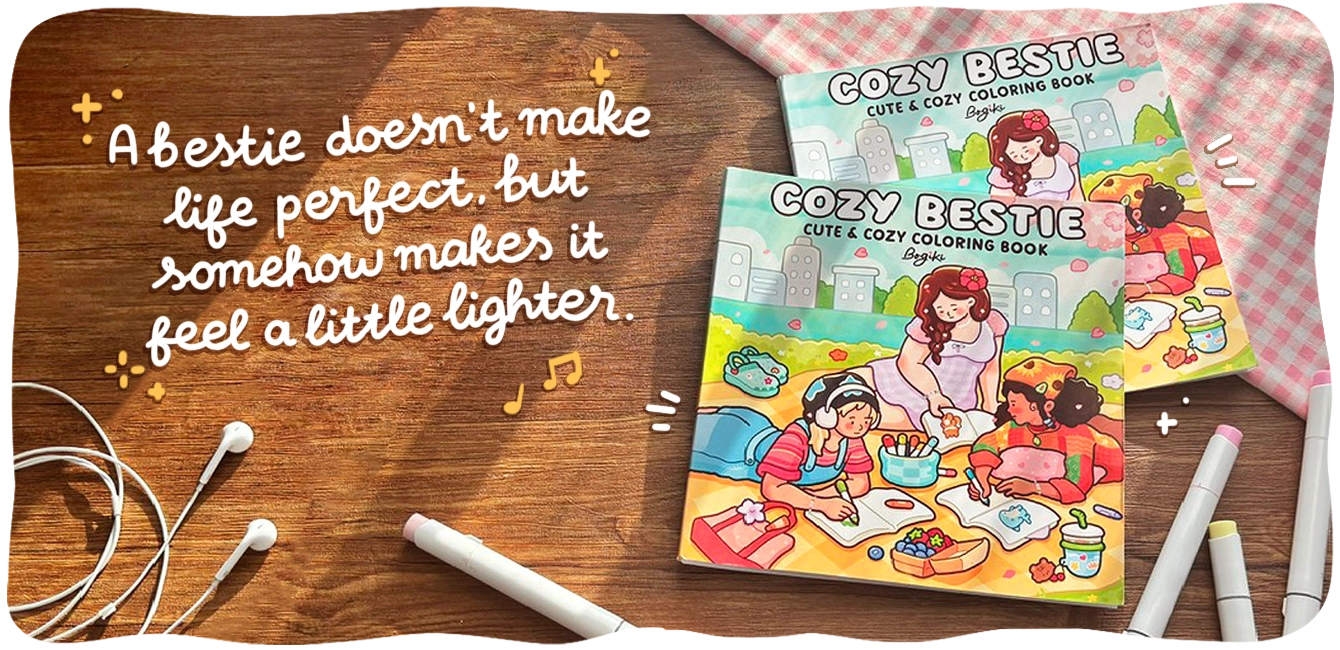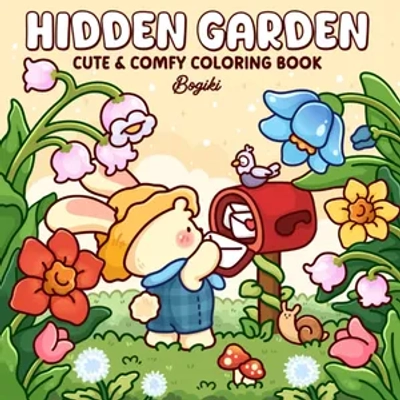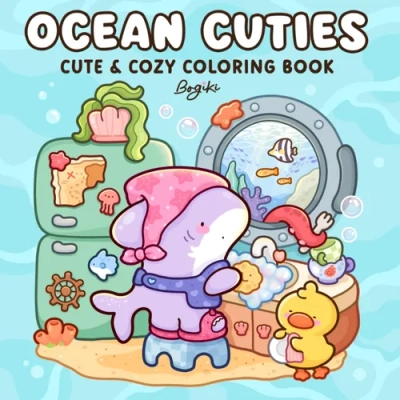


Bogiki - Discover Free Coloring Pages

best seller

new arrivals

HI FRIENDS!

Welcome to Bogiki, where every page sparks joy and creativity for young explorers! At Bogiki, which stands for Boy Girl Kid, we believe that every child—no matter their gender or age—deserves a world of possibilities. Our collection of activity books is designed to captivate curious minds, with everything from coloring and drawing to puzzles that challenge and entertain. More than just books, we aim to inspire, nurture, and celebrate each child’s unique voice and creativity. Join us in making everyday moments extraordinary, where every page is an invitation to dream, learn, and have fun.

Icon GREAT FOR ALL  SKILL LEVELS

GREAT FOR ALL SKILL LEVELS

Both beginners and experts can enjoy books.

Icon SINGLE-SIDED PAGES

SINGLE-SIDED PAGES

Prevents bleed-through and protects every design.

Icon 100% HUMAN-CREATED

100% HUMAN-CREATED

Every design is created by skilled human artists.

Icon CUSTOMER APPROVED

CUSTOMER APPROVED

Trusted and loved by coloring fans worldwide.

CONNECT WITH US

Color Your World with Bogiki! Join the Bogiki community on social media and connect with other coloring lovers. Share your masterpieces, discover new designs, and get exclusive access to giveaways, updates, and more! Follow us on platforms as we spread joy and creativity together!

    THEME

    FAQs

    You have questions? We're here to help.

    icon

    LET CUSTOMERS SPEAK FOR US

    icon
    Review content 0
    Review content 1
    Review content 2
    Review content 3
    Review content 4
    Review content 5
    Review content 6
    Review content 7

    Our blog

    How to Color Window Step by Step with 4 Easy Ideas for Beginners

    How to Color Window Step by Step with 4 Easy Ideas for Beginners

    Learning how to color window scenes is a gentle and creative way to explore the feeling of each season. From blooming spring fields to quiet winter nights, every window view can tell a soft and meaningful story. In this guide, you will discover four easy ideas designed for beginners, helping you combine simple elements like sky, trees, and light to create cozy and beautiful window coloring scenes step by step.


    Spring window drawings are a lovely place to begin because they combine soft landscapes with simple details like flowers, grass, and gentle skies. You can easily add small elements such as blooming flowers or tiny plants to make the scene feel alive without making it complicated. This idea is good if you want to practice how to color window scenes while learning how different elements work together to create a fresh and peaceful spring atmosphere.

    • Step 1: Create a soft background. Start by coloring the sky and grassy field using light, gentle tones. Blend smoothly to create a calm and natural base for your scene.
    • Step 2: Build depth in the landscape. Add slightly darker layers to the hills and grass areas. This helps your window drawing feel more dimensional and visually balanced.
    • Step 3: Add simple spring elements. Draw small flowers across the field. Keep shapes simple and spaced naturally so the scene feels light, fresh, and easy to follow.
    • Step 4: Finish with soft details. Add light clouds in the sky and small highlights. These gentle touches make your spring window feel bright, airy, and full of life.

    how to color window spring scene with flowers grass and soft sky step by step cozy beginner drawing


    The second idea for how to color window scenes in summer window drawings brings a completely different feeling, with open space, sunlight, and a sense of gentle movement. This idea focuses on combining sky, ocean, and shoreline in a simple way, helping you understand how to layer colors and create depth without overcomplicating details. You can also add small elements like birds or waves to make the scene feel lively, making this a great option for practicing how to color window illustrations with a sense of space and freedom.

    • Step 1: Build the summer scene base. Color the sky, ocean, and sand using light tones. Blend gently so the transitions feel soft and natural across the whole background.
    • Step 2: Add depth to the water. Layer slightly darker shades into the sea and along the shoreline. This is an important step in how to color window scenes, helping create contrast and gives the water a more realistic feel.
    • Step 3: Add movement and texture. Draw fluffy clouds and soft wave details. Keep the shapes loose so the scene feels relaxed and naturally flowing.
    • Step 4: Complete with lively details. Add small birds in the sky using simple strokes. These details bring energy and make your summer window drawing feel complete.

    how to color window summer beach scene with ocean sky and waves easy step by step coloring for beginners


    Fall window drawings are perfect when you want to explore warmer tones and a more peaceful mood. This idea combines trees, leaves, and simple background elements to create a cozy seasonal scene. You can experiment with layering colors and adding falling leaves to make the composition feel dynamic while still keeping it easy to follow. It is a great way to continue practicing how to color window scenes with richer tones and a calm, comforting atmosphere.

    • Step 1: Create a warm base layer. Color the sky and ground using soft warm tones. Blend smoothly to create a gentle autumn glow across your window scene.
    • Step 2: Add structure and depth. Build up darker shades on trees, fences, and background elements. This step in how to color window helps define the scene and adds a sense of balance.
    • Step 3: Fill in foliage details. Color leaves and bushes using layered tones. Let the colors blend naturally to keep the overall feeling soft and cozy.
    • Step 4: Add finishing seasonal touches. Draw small falling leaves and add subtle highlights. These details make your fall window feel warm, dynamic, and complete.

    how to color window fall scene with trees leaves and warm tones cozy autumn window drawing tutorial


    Winter window drawings focus more on atmosphere than detail, making them perfect for creating a quiet and cozy feeling. This idea introduces simple techniques like soft blending, light effects, and frosty textures around the window frame. Instead of adding many elements, you will focus on light, contrast, and gentle details like tree branches, helping you understand how to color window scenes in a more minimal and expressive way.

    • Step 1: Blend a soft winter sky. Start by blending light and medium tones to create a smooth, night sky-like effect. Keep transitions soft to maintain a calm and peaceful mood.
    • Step 2: Add a gentle glowing effect. Use light circular highlights to create a soft background effect. This gives your scene a dreamy and slightly magical atmosphere.
    • Step 3: Create a frosty window frame. Add a light layer around the window edges and gently blend it. This creates a natural frosty texture that feels soft and realistic.
    • Step 4: Draw simple winter details. Add thin tree branches outside the window using light strokes. Keep them delicate to match the quiet and still winter feeling.

    how to color window winter night scene with frosty glass soft glow and tree branches easy beginner guide


    When you sit with a window drawing for a little longer, it slowly becomes more than just a simple scene. A quiet sky, a soft line of trees, or a hint of light can alter the entire atmosphere without requiring many details. That is the beauty of learning how to color window illustrations, you can build the atmosphere gently, one small touch at a time.

    If you feel curious about adding more depth, especially to the sky outside your window, you might enjoy exploring a few different coloring approaches. Trying ideas from a 4 Ways to Color Sky guide can open up new ways to create light, softness, or even a dreamy glow that makes your scene feel more complete.

    And when you want a space to slowly try these ideas, girl daily coloring book can be a comforting place to begin. Each page offers a quiet window waiting for your colors, where you can experiment freely, combine seasonal moods, and enjoy the process in your own unhurried way.

    ​How to Draw a Hyacinth Flower Step by Step for Beginners

    ​How to Draw a Hyacinth Flower Step by Step for Beginners

    A small cluster of hyacinth flowers can quietly brighten your page with soft color and gentle detail. In this guide, you will learn how to draw a hyacinth flower step by step in a simple and relaxing way, from blending light pink and purple tones to adding tiny blossoms and highlights that bring everything together.


    Step 1: Color the Flower with Soft Pink and Purple

    Begin your journey of how to draw a hyacinth flower step by step by focusing on the blossoms. Use a soft pink marker like R9 to color the top part of the hyacinth cluster. Let your strokes stay light and even, allowing the color to settle gently on the page.

    how to draw a hyacinth flower step by step coloring top petals with soft pink R9 and light purple V210 gradient

    As you move downward, switch to a light purple tone like V210 for the flowers at the bottom. Try to let the two colors blend softly where they meet. This creates a natural gradient that gives your hyacinth drawing a more lifelike and dreamy appearance.

    how to draw a hyacinth flower step by step blending pink and purple tones to create soft gradient hyacinth petals

    Step 2: Color the Leaves with Soft Green Layers

    Now shifting your attention to the leaves at the base of the flower. Start by applying a light green base using G2. Fill in the leaves slowly, keeping your strokes smooth so the surface looks clean and even. This layer acts as the foundation for the rest of the greenery.

    how to draw a hyacinth flower step by step coloring leaves with light green G2 base layer smooth and even

    Next, add a deeper green like G3 near the bottom of the leaves, especially the parts closer to the ground. This creates a soft sense of depth and helps the leaves feel more grounded.

    how to draw a hyacinth flower step by step adding darker green G3 shading near bottom leaves for depth effect

    Finally, use a darker green, such as G1, to draw gentle veins across the leaves. Keep these lines soft and slightly curved so they follow the natural shape of the leaf.

    how to draw a hyacinth flower step by step drawing leaf veins using dark green G1 for natural texture detail

    When learning how to draw a hyacinth flower step by step, these small variations in green tones make a big difference. They bring the leaves to life without making the process feel complicated.

    Step 3: Cover the Black Line for a Softer Look

    At this stage of how to draw a hyacinth flower step by step, your drawing may still have visible black outlines. To create a softer and more polished look, begin covering these lines with acrylic markers.

    For the flower area, use a pink acrylic marker over the upper outlines, then gradually transition to purple as you move downward. This helps blend the lines into the color and keeps the gradient feeling smooth.

    how to draw a hyacinth flower step by step covering black outlines with acrylic markers blending pink to purple

    For the leaves, use a green acrylic marker to carefully cover the black outlines. Try to follow the shape of each leaf so the lines feel natural and clean.

    how to draw a hyacinth flower step by step using green acrylic marker to cover leaf outlines softly and cleanly

    This step is often overlooked in basic tutorials, but it plays an important role in creating an easy hyacinth drawing that feels soft and cohesive. Removing harsh outlines allows the colors to stand out more gently.

    Step 4: Add Gentle Highlights

    Now it is time to bring a little light into your illustration. Using a white gel pen, add soft highlights along the edges of the leaves. You can also place a few small touches where light might naturally reflect.

    how to draw a hyacinth flower step by step adding white gel pen highlights on leaves for soft light reflection

    In practicing how to draw a hyacinth flower step by step, highlights help balance the darker tones and add a sense of calm brightness to the overall piece.

    Step 5: Draw Small Flowers to Build Texture

    This is the final step of how to draw a hyacinth flower step by step, where your hyacinth flower drawing truly comes to life. Using a light purple acrylic marker, begin drawing small flower shapes across the cluster, keeping your strokes gentle and varied so each bloom feels naturally small and softly open. Let the flowers sit close together, but not too perfectly arranged, so the cluster looks lively and organic.

    how to draw a hyacinth flower step by step drawing small purple flowers across cluster for natural floral texture

    Next, add a few pink flowers in between to create variation and keep the cluster visually interesting. The mix of colors will enhance the soft gradient you created earlier.

    how to draw a hyacinth flower step by step adding pink flowers between purple blooms for color variation effect

    Then, take your white gel pen and use its fine tip to draw tiny flowers scattered throughout the cluster. These small details help fill any empty spaces and give the hyacinth a fuller, fluffier appearance.

    how to draw a hyacinth flower step by step using white gel pen to add tiny flowers and fill empty spaces

    Finally, use a darker purple acrylic marker to add tiny dots in the center of each flower. These dots act as the flower centers and gently complete the look.

    how to draw a hyacinth flower step by step adding dark purple dots as flower centers to complete hyacinth drawing

    This step transforms a simple hyacinth drawing into something more detailed and charming. It may take a little time, but it is also the most relaxing part of the process.


    Sometimes, seeing a drawing come to life slowly can feel even more relaxing than reading the steps. If you are curious how to draw a hyacinth flower step by step in a smoother and more intuitive way, you can try watching the video version of this tutorial. Instead of imagining each stroke, you will be able to follow the gentle rhythm of coloring as it happens, from the first soft layer of pink and purple to the tiny flowers that gradually fill the cluster.

    You can pause whenever you like, go back to any step, and move at your own pace. It is a simple way to turn learning into something slow, easy, and enjoyable.


    Once you have finished learning how to draw a hyacinth flower step by step, it does not have to be the end of your creative time.

    If you are in the mood to keep that soft and peaceful feeling going, you might enjoy exploring the Garden coloring book and the Spring coloring book. These pages open up into little nature-inspired scenes, where flowers, greenery, and gentle details come together in a very calming way. You will often find hyacinth flowers appearing naturally in these settings, giving you more chances to revisit and play with the colors you just practiced.

    From there, you can slowly branch out into other ideas; You might try a few easy step-by-step flower drawings to see how different petals and shapes come together. Or take a simple color flower pot and experiment with coloring styles to make your illustration feel more complete and lively.

    There is no rush and no pressure. Each page is just another small space where you can relax, explore, and let your creativity unfold little by little, just like a garden quietly coming into bloom.

    How To Draw A Seashell Step By Step Easy

    How To Draw A Seashell Step By Step Easy

    Sometimes the ocean does not need waves to feel magical. A single seashell resting quietly can hold soft colors, gentle light, and a peaceful story of its own. In this cozy guide, you will learn how to draw a seashell step by step easy using smooth blending, pastel tones, and delicate highlights. By the end, your page will slowly transform into a glowing seashell illustration filled with softness and calm beauty.


    Step 1: Build a Soft Shimmering Base

    Begin your journey of how to draw a seashell step by step easy by creating a soft and colorful foundation. This step may take a little time, but it is where the seashell begins to glow.

    Start with Y42 and gently fill the inner parts of the seashell. Let this light beige tone sit like a warm base, similar to soft sand under sunlight. Keep your strokes slow and even so the surface feels calm and smooth from the beginning. Then blend outward using Y00 to soften the edges. Allow the colors to melt together naturally without any harsh lines.

    how to draw a seashell step by step easy base layer with soft beige Y00 coloring

    Now begin layering soft colors to create that dreamy effect. Use RV35 to introduce a gentle pink tone. Instead of covering large areas, lightly place the color in small sections so it feels like soft reflections across the shell. This adds warmth without overpowering the base.

    how to draw a seashell step by step adding soft pink RV35 highlights

    Next, bring in G41. This light green tone adds a fresh and airy feeling, almost like light passing through shallow water. Blend it gently between the warm tones so the colors feel balanced and natural.

    how to draw a simple seashell with light green G41 pastel blending

    Continue how to draw a seashell by blending upward with BG04. This pale ocean blue creates depth and gives the seashell a soft underwater glow. As you move toward the top edges, gently soften everything again using Y00. This helps blur the transitions and keeps the entire surface looking smooth and delicate.

    how to draw seashells easy with soft blue BG04 gradient shading

    Finally, use R50 for the lightest reflective areas. Add small touches where light would naturally hit. These subtle highlights create a soft shimmering effect, making the seashell feel luminous and alive.

    how to draw a seashell step by step easy adding subtle R50 highlights

    When learning how to draw a seashell easy, this step is like painting light itself. The softer your blending, the more gentle and magical your seashell will feel.

    Step 2: Add Shell Lines

    Once the base is dry, begin step 2 of how to draw a seashell, adding gentle structure to your seashell. Using B06, lightly draw curved lines that follow the natural shape of the shell. Let each line flow upward from the base, keeping your strokes soft and controlled.

    how to draw a seashell step by step easy adding curved shell lines with B06

    These lines help define the form and add depth without making the drawing feel heavy. Even a few simple strokes can gently guide the shape when practicing how to draw a seashell step by step.

    Step 3: Add Soft Texture with Colored Pencil

    Now it is time to bring a gentle texture into your drawing. When exploring how to draw a simple seashell, these small details help create a more natural look. Using a colored pencil, lightly draw thin lines following the curves of the shell. Keep your pressure soft so the lines remain subtle and do not overpower the base colors.

    how to draw a seashell easy adding soft texture with colored pencil lines

    You can add a few extra strokes between the main lines to suggest delicate ridges. These details create a soft texture that feels organic and calm, as if the shell has been shaped slowly by the ocean. For beginners learning how to draw a seashell, this step is a quiet moment to slow down and enjoy the process.

    Step 4: Color the Outer Shell

    Now gently move to the outer edges of the seashell. This step helps balance the glowing center with a soft surrounding shape. Start by applying a light base using Y00 around the outside.

    how to draw a seashell step by step easy coloring outer shell with Y00 base

    Keep this layer clean and simple so it does not compete with the inner colors. Then softly add shadows with G41 along the curves.

    how to draw seashells easy adding soft shadows with G41 shading

    Next, use BG04 and B06 to define the outer shape. Add curved strokes that follow the shell’s natural form, allowing the colors to blend smoothly.

    how to draw a seashell simple shaping outer shell with BG04 and B06 lines

    This outer shading helps the seashell feel complete and softly grounded. When practicing how to draw a seashell on a beach, this step of how to draw a seashell also suggests how light naturally falls across the shell.

    Step 5: Add Highlights and Sparkle Effects

    For the final step of how to draw a seashell step by step easy, you will bring everything together with light and sparkle. Begin by using an acrylic marker to gently cover the black outlines. This softens the drawing and gives it a cleaner, more polished look.

    how to draw a seashell step by step easy refining outline with acrylic marker

    Next, use a light blue acrylic marker to add soft reflective lines across the shell. Keep them thin and gentle, so they blend naturally with the base.

    how to draw a seashell easy adding soft yellow reflective details

    Finally, use a white gel pen to add highlights and tiny sparkles. Place small dots and star-like shapes where light would naturally reflect.

    how to draw seashells for beginners adding white gel pen highlights and sparkles

    These final touches create a magical shimmering effect. When learning how to draw easy seashells, this step brings the entire illustration to life.


    Sometimes it helps to see each color settle gently into place. If you are curious how the seashell builds up layer by layer, you can follow along with the video tutorial for how to draw a seashell step by step easy.

    The video walks through the process in a smooth and steady rhythm, showing how the soft base blends into pastel tones and how small details slowly bring the shell to life. You can pause at any moment, revisit each step, and draw at your own pace. It is a simple way to feel more confident, especially when you want to better understand how to draw seashells with soft transitions and light textures.


    Now you learn how to draw a seashell step by step, and it is complete. You might notice how relaxing it feels to work with soft colors and gentle shapes. This quiet, creative moment can easily grow into something more.

    If you would like to continue, you can explore ocean-themed coloring pages like Summer Days coloring book, where beach scenes, sunshine, and coastal details create a light and cheerful atmosphere. For something even simpler and more playful, Ocean Coloring Book Bold and Easy offers clean shapes and cute ocean elements that are perfect for practicing how to draw a seashell easy or trying new color combinations.

    As you move from one page to another, you will naturally build confidence in how to draw seashells, experiment with different textures, and slowly create your own calm little ocean world.


    How to Choose The Best Type of Markers for Adult Coloring Books​

    How to Choose The Best Type of Markers for Adult Coloring Books​

    Choosing the best type of markers for adult coloring books can make a huge difference in your experience. In this guide, we’ll explore the types of markers, how to choose them, and essential tips to make your coloring journey smoother and more enjoyable.


    Color markers are pens filled with pigmented ink that allow for vibrant, controlled coloring. Unlike crayons or colored pencils, markers deliver consistent and intense color with minimal effort. They are popular for coloring markers for adults, adult markers for coloring, and anyone looking to create professional or personal artwork.

     

    Markers come in many varieties, each with unique characteristics suited for specific purposes. Here are the five main types you should know.

    1. Alcohol-Based Markers

    Alcohol markers are known for smooth application and vivid, blendable colors. They are ideal for those seeking the best markers for adult coloring books or high-quality professional results.

    Alcohol markers for adult coloring books with smooth blending and vivid professional colors

    Pros Cons
    • Blend beautifully for seamless gradients.
    • Rich, vivid colors that pop on paper.
    • Dry quickly without smearing, suitable for layering and shading.
    • Alcohol markers lay down a generous amount of ink, so color can spread quickly on thinner coloring book pages.
    • Once the ink settles, it’s difficult to lift or soften a stroke after it’s placed.
    • Because the colors are bold and saturated, uneven pressure may show more clearly than with softer markers.

    Helpful tips:

    • Start with light layers instead of trying to finish an area in one pass. Building color slowly helps blends stay smooth and natural.
    • Place a spare sheet of paper underneath your page so you can relax and focus on color flow without worrying about bleed-through.
    • If you’re exploring blending, using two similar shades while the ink is still wet can help. Learning about blending alcohol markers for beginners can make this technique easier to understand and practice.

    2. Acrylic Markers

    Acrylic markers use paint-based ink that stays opaque and visible on the surface. Beyond coloring book paper, they can be used on materials like wood, fabric, or glass, making them a versatile choice for bold details, craft projects, and decorative accents that need strong, lasting color.

    Acrylic markers for adult coloring books on paper, wood, or fabric with bold, opaque colors

    Pros Cons
    • Opaque, vibrant color that covers well.
    • Shows up clearly on light and dark surfaces.
    • Water-resistant once dry.
    • Acrylic ink is thicker than regular marker ink, so it doesn’t blend easily once it starts drying.
    • Pressing too hard or pausing in one spot can cause paint to pool or look uneven.
    • Thinner coloring book paper may warp slightly because the ink sits on the surface.

    Helpful tips: Shake the marker well before use and test the flow on scrap paper first. Work in small areas and allow each layer to dry before adding another to keep edges clean and the surface smooth.

    3. Water-Based Markers

    Water-based markers use water as the main carrier for the ink, creating a lighter, softer color effect compared to alcohol markers. Because the ink sits closer to the paper surface, these markers feel gentle and forgiving, making them a popular choice for beginners, casual coloring, and everyday relaxation.

    Water-based markers for adult coloring books with soft, buildable color and minimal bleed-through

    Pros Cons
    • Soft, buildable color that’s easy to control.
    • Minimal bleed-through on most standard coloring book paper.
    • Low odor and often washable, suitable for longer coloring sessions.
    • Water-based ink stays closer to the paper surface instead of soaking in deeply.
    • Too many repeated strokes in one area can cause the paper to wrinkle or pill.
    • Once an area dries, blending becomes more limited compared to alcohol markers.

    Helpful tips: Use light pressure and work in small sections, allowing each layer to dry briefly before adding more color. This helps keep the paper smooth and prevents colors from turning uneven or muddy as you build gentle layers.

    4. Brush Markers

    Brush markers are characterized by their flexible, brush-like tips, which respond to pressure and movement. This allows you to create both thin lines and broad strokes in a single pen, giving coloring pages a more expressive, hand-drawn feel.

    Brush markers for adult coloring books with flexible tips for expressive strokes and shading

    Pros Cons
    • Flexible tips allow both fine lines and bold strokes.
    • Excellent for shading, transitions, and expressive coloring.

    • Adds natural variation and texture to illustrations.
    • The flexible tip reacts strongly to pressure, so strokes can change quickly if your hand isn’t steady.
    • Brush tips can fray over time, especially on rough paper or with heavy pressure.
    • They’re less precise for tiny details compared to fine-tip markers.

    Helpful tips: Use gentle pressure and let the tip glide rather than pressing down. Practicing a few strokes on scrap paper helps you understand how the brush responds, making your coloring feel more controlled and relaxed.

    5. Gel Markers

    Gel markers use thick, pigment-rich ink that flows smoothly and often comes in metallic, glitter, or neon finishes. Instead of filling large areas, they shine best as finishing tools, adding highlights, small details, and decorative accents that bring a page to life.

    Gel markers for adult coloring books adding metallic, glitter, and decorative highlights

    Pros Cons
    • Bright, eye-catching color that stands out on light and dark paper.
    • Smooth ink flow with minimal pressure.
    • Perfect for sparkle, shine, and decorative details.
    • Gel ink is thicker and dries more slowly than regular marker ink.
    • Large filled areas can look uneven or take a long time to dry.
    • Fresh gel ink can smudge easily if touched too soon.

    Helpful tips: Use gel markers after your main coloring is finished and apply them in small areas. Allow the ink to dry fully before turning the page or layering nearby details to keep highlights clean and crisp.

     
    Marker Type Ease of Use Paper Bleed-Through Blending Ability
    Alcohol-Based Markers ✓✓ ✓✓✓ ✓✓✓
    Water-Based Markers ✓✓✓
    Acrylic Markers ✓✓ ✓✓
    Brush Markers ✓✓ ✓✓
    Gel Markers ✓✓✓
     
    Marker Type Suitable For
    Alcohol-Based Markers Suitable for experienced colorists who enjoy blending, shading, and rich professional colors.
    Acrylic Markers Suitable for people who enjoy crafts, decoration, DIY projects, or adding bold highlights to artwork. Also ideal for those who want to draw on multiple surfaces such as wood, glass, or fabric.
    Water-Based Markers Suitable for beginners, children, or people who enjoy relaxed coloring.

    Brush Markers Often used by people who like expressive drawing styles and have some experience controlling brush tips.
    Gel Markers Suitable for people who like decorating small details, adding sparkle, metallic effects, or highlights to artwork.

    Once you have the best type of markers for adult coloring books, you can also explore other coloring mediums to experiment with different styles and effects on your pages. Trying a variety of mediums can help you better understand how colors behave on paper and discover the techniques that suit your coloring style.

    However, to make the most of your markers and coloring tools, choosing the right coloring book is just as important. Beginners can refer to the guide Steps to Choosing a Coloring Book for helpful tips on selecting a book that matches their skill level.

    To start practicing, Bold & Easy coloring books are often a great choice. Their pages usually feature clear outlines and larger open spaces, making it easier to focus on color placement, layering, and simple blending while enjoying a relaxed and confident coloring experience.

    How to Draw a Flower Pot in 4 Easy Steps for Beginners

    How to Draw a Flower Pot in 4 Easy Steps for Beginners

    Learning how to draw a flower pot can be a peaceful way to enjoy art and creativity. In this cozy guide, you will explore several charming potted flowers and learn how to bring them to life with gentle colors and simple steps. From soft tulips to cheerful sunflowers and dreamy hydrangeas, each small project shows how relaxing it can be to draw flowers in a pot while slowly building confidence in your drawing skills.


    Tulips bring a light and refreshing feeling to any illustration, making them a lovely choice when you first begin learning how to draw a flower pot. Their smooth stems and softly shaped petals are simple to sketch, which helps beginners practice the basic steps of drawing flowers with ease. When placed in a small pot, a tulip creates a balanced and graceful composition that works beautifully for journal pages, sketchbooks, or relaxing coloring practice.

    • Step 1: Color the leaves first using soft green tones. Then gently blur the tulip petals using light yellow and soft pink to create a delicate layered look.
    • Step 2: Add darker veins to the petals and leaves. These thin lines help the flower feel more natural and give the drawing subtle depth.
    • Step 3: Use a white gel pen to place small highlights on the petals and edges of the leaves. These soft details make the flower appear brighter and more lively.
    • Step 4: Cover the original black outlines with an acrylic marker so the colors blend smoothly together. This final touch helps your tulip look polished and complete.

    step by step tulip flower pot drawing tutorial showing how to draw a flower pot with a tulip in four easy steps for beginners


    Sunflowers instantly bring warmth and joy in how to draw a flower pot. Their wide petals and bold center make them one of the most recognizable flowers, and they are perfect when practicing how to draw a sunflower easily.

    A sunflower in a pot also makes a wonderful decorative element for planners, greeting cards, or cozy coloring pages. If you are learning how to draw a sunflower in a pot, the following steps keep the process simple and relaxing.

    • Step 1: Color the base layer of the sunflower petals and center using warm yellow and soft brown tones. This creates the foundation of the flower.
    • Step 2: Add slightly darker shades to the center and between the petals to define the structure of the flower. This gentle shading brings the sunflower to life.
    • Step 3: Draw veins along the petals and leaves with a slightly darker color. Then add highlights with a white gel pen to give the petals a soft glow.
    • Step 4: Cover the black outlines with an acrylic marker so the colors blend smoothly and the sunflower looks vibrant and complete.

    sunflower in a pot step by step drawing tutorial showing how to draw a flower pot with a sunflower for beginners


    Continue how to draw a flower pot with Hydrangeas that have a dreamy appearance, made up of many small blossoms clustered together. Their gentle shapes make them a lovely subject when learning how to draw hydrangea flowers in a calming and decorative style.

    Because hydrangeas grow in round clusters, they are also perfect for practicing how to draw a flower pot while building layers of color.

    • Step 1: Apply a soft base layer using light blue and pale purple. Blend the colors gently to create the soft background of the hydrangea cluster.
    • Step 2: Add darker tones to the flower centers and color the leaves with natural green shades. This contrast helps the blossoms stand out.
    • Step 3: Draw small veins on the leaves and a few subtle lines on the petals to give the flowers more structure and detail.
    • Step 4: Cover the black outlines with an acrylic marker and finish with delicate highlights using a white gel pen.

    hydrangea flower pot drawing guide step by step showing how to draw a flower pot with hydrangea flowers


    The final idea for learning how to draw a flower pot is the hyacinth, a flower well known for its small blossoms that grow closely together in tall, dense clusters. Their layered structure makes them a charming choice when experimenting with how to draw a pot flower that looks detailed but remains simple to create.

    • Step 1: Apply a soft blur to the flower and leaf layers using gentle purple and green tones. This creates the base structure for the cluster.
    • Step 2: Cover the original black lines with an acrylic marker. Then add highlights with a white gel pen to brighten the flower shapes.
    • Step 3: Draw additional small hyacinth blossoms around the cluster so the flower appears fuller and more natural.
    • Step 4: Add the flower centers and finish with subtle golden sparkle effects to give the illustration a magical touch.

    hyacinth flower in a small pot step by step drawing tutorial for beginners learning how to draw a flower pot


    Along with the ideas from the how to draw a flower pot tutorial, you can also make your illustration look more charming and lively by experimenting with different plant pot drawing ideas. Try creating a small garden corner with several pots, mixing different flowers in one container, or sketching a cute shelf filled with tiny potted plants. These simple additions can make your artwork feel richer and more decorative.

    You can also bring these potted plant ideas into your coloring time. Many garden-themed coloring pages feature lovely flower pots, blooming flowers, and leafy plants waiting to be filled with color. From peaceful garden corners to decorative plant collections, these pages offer a relaxing space to practice blending colors, adding highlights, and exploring new flower styles in a calm and creative atmosphere.


    To help you learn how to draw a flower pot, we have prepared a printable page inspired by this tutorial. The page includes the same four potted flowers featured in the guide, including tulips, sunflowers, hydrangeas, and hyacinths, arranged in simple plant pots that are easy and relaxing to practice.

    Share keep in touch with us

    Treat your inbox to a lovely surprise! Sign up now for exclusive content and special gifts