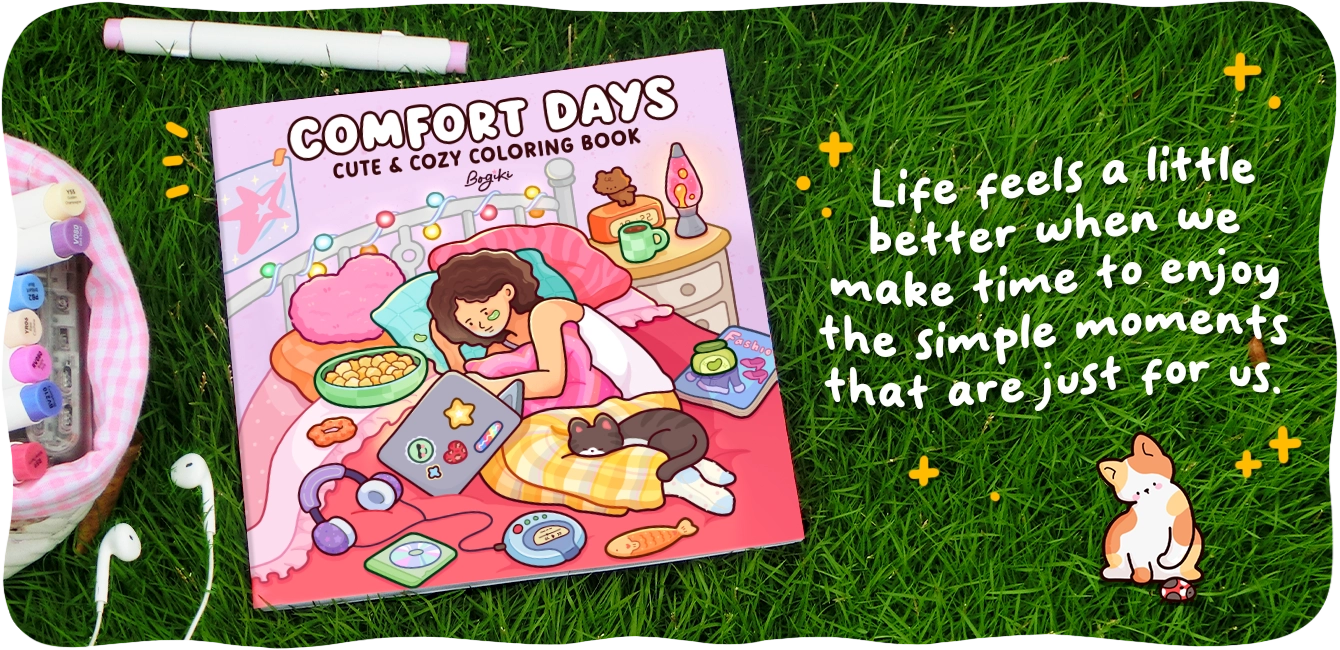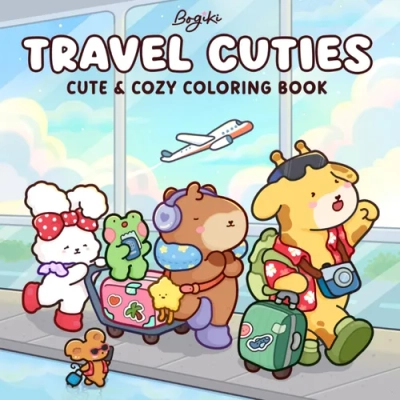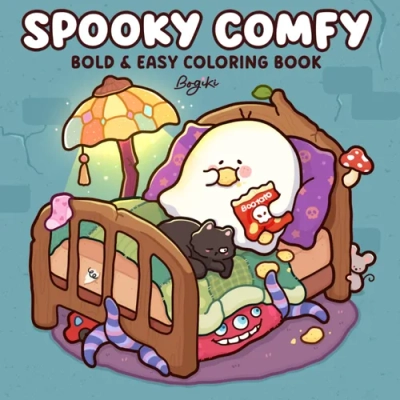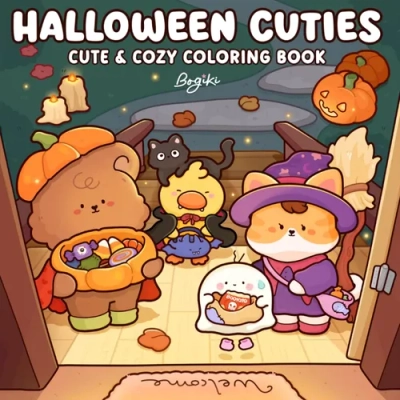



Both beginners and experts can enjoy books.

Prevents bleed-through and protects every design.

Every design is created by skilled human artists.

Trusted and loved by coloring fans worldwide.
You have questions? We're here to help.

Fuzzy Buddies is an enjoyable coloring book. I love seeing the pages come to life after coloring. Great buy.
Amazon customer
I bought this for my fiance and she loves it! It's adorable and she says it's fun to draw. I love it! It also came in a day early!
Amazon customer
Such a cute and fun book to color. I can't put it down! I love how easy they are.
Amazon customer
This book is a gem: the drawings are very well done, clear and realistic. The scenes are very varied. Well suited for coloring with alcohol markers in this case. I recommend +++
Amazon customer
This colouring book is so cute! The line art is black and thick which is ideal for colouring with alcohol markers. The designs are all super cute! There are pages in this book that I haven’t seen in other books. I recommend 👍
Amazon customer
I caved and joined in the cute Halloweeny colouring bandwagon! I'm happy with this book, it's so cute! I like the size, it's not too big so it's easier to complete. Very cute designs. The paper is thinner than I'd like but it's okay if you put card behind the page you're working on.
Amazon customer
What a dream to have a pleasant time at any age coloring these very funny drawings. Really I recommend it feels good and relaxing as much as possible doing mandalas for those who like it.
Amazon customer
I bought it for my grandma so she wouldn't be bored this winter, she loves everything related to the fairy world, goblins etc... The designs are very cute and varied! The leaves look fine so in my opinion it is not made for people who have alcohol markers.
Amazon customer
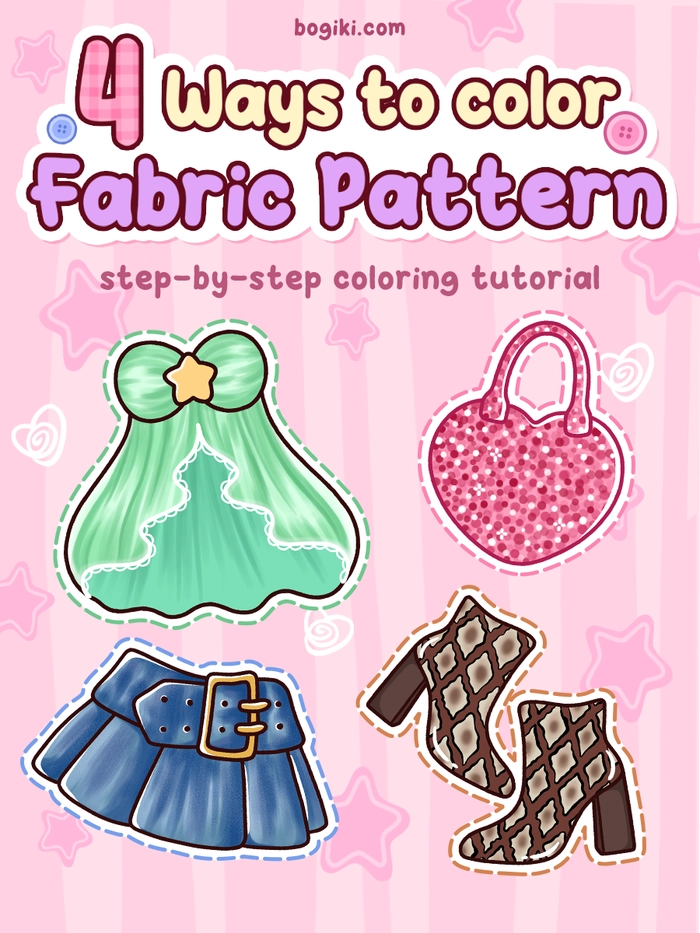
Fabric coloring is one of those little skills that quietly changes everything. The same sweater can feel flat or fluffy. The same skirt can feel playful or polished just by the way you place a few soft layers, shadows, and highlights. In this guide, you’ll explore 4 fabric coloring ideas you can use right away in cute and cozy coloring pages: knit, leopard print, leather boots, and tie dye.
How to draw knit fabric carries a quiet sense of warmth. It brings to mind soft sweaters, slow mornings, and the comfort of familiar textures. In coloring pages, knit doesn’t need to feel detailed or exact. This approach focuses on gentle rhythm and softness, making it an easy, forgiving way to explore fabric coloring while keeping the mood calm and cozy.

Leopard print feels playful rather than perfect. Its beauty comes from irregular shapes and natural movement, not strict symmetry. In cozy coloring pages, this way to draw leopard print allows patterns to feel lively without becoming overwhelming. By focusing on balance and contrast, leopard print becomes a relaxed way to add personality and charm to fabric coloring.

Leather boots feel grounded and steady. Their shape comes from subtle folds, soft shadows, and quiet shine formed through wear and movement. When coloring leather, gentle contrast matters more than sharp detail. How to draw leather boots, helps boots feel smooth and dimensional while keeping the overall look warm, calm, and cohesive.

How to draw a tie dye feels light, flowing, and full of movement. Soft spirals and layered colors give the fabric a sense of freedom rather than control. In coloring pages, this style works best when kept loose and imperfect. Gradual layering allows tie-dye patterns to feel dreamy, playful, and naturally expressive.

4 fabric coloring ideas for cute and cozy coloring pages is just one gentle part of a wider coloring journey. As you practice coloring knit textures, playful patterns, and soft fabric details, you’ll begin to see how these ideas naturally connect across many cozy scenes and outfits.
These fabric coloring techniques can be explored further through 5 winter clothes coloring ideas, where textures come together in complete seasonal looks. You can also apply them inside the Self-Love coloring book, a calm space designed for slow coloring, gentle layering, and quiet creative moments. Let each page guide you forward, one soft fabric and one cozy step at a time.

Some drawings invite you to slow down, and trees are one of them. An easy tree drawing doesn’t ask for precision or perfect lines. It simply offers a quiet space where soft colors, gentle layers, and steady strokes come together naturally on the page.
In this tutorial, we’ll explore a calm, beginner-friendly approach to creating a tree drawing that is both easy and beautiful, without pressure or complicated techniques. Whether you’re starting with a basic tree drawing or returning to drawing as a way to relax, this process focuses on feeling rather than perfection. Layer by layer, your tree will grow into something warm, balanced, and quietly comforting, just like the slow rhythm of coloring itself.
Before you begin, prepare a small, comfortable set of tools. Keeping your palette limited helps maintain a soft and cohesive look, which is ideal when learning how to draw a basic tree.
You’ll need:
This selection works well for both basic drawing of a tree style and more expressive, layered tree canopies.
Begin by lightly coloring the tree canopy with YG07. Use relaxed, circular strokes, allowing the color to sit gently on the page. As you move upward, gradually blend in YG312 to create subtle depth.

Near the top of the canopy, introduce G5, keeping your pressure light so the colors merge naturally. To add quite a contrast, place a few shadow accents using G7. These darker touches help the canopy feel rounded without overwhelming the softness. This approach is ideal when learning how to draw a tree easily, as it focuses on blending rather than strict outlines.

For the trunk, apply a base layer of light brown E44. Let the color flow vertically, following the natural direction of the trunk. To suggest depth and uneven texture, layer Y515 into the darker areas, especially where the trunk meets the canopy.

Finally, use YR314 sparingly to create gentle grooves, curves, and shadowed edges. This step transforms a basic drawing of a tree into something more organic, while still remaining beginner-friendly and approachable.

Now comes the most expressive part of the process. Using acrylic markers in various shades of green, draw small leaf clusters that overlap and intertwine. Let the leaves vary in size and direction. This layering technique creates movement and balance, even in trees, drawing in easy styles.
Avoid filling every space. Leaving small gaps allows the canopy to breathe and keeps the drawing light. This step is especially helpful if you’re practicing how to draw trees easily without making the illustration feel crowded.

Once the leaf layers feel complete, use an acrylic marker to softly cover or blend the backline of the canopy. This helps unify the drawing and removes any harsh edges left from earlier steps.
The goal isn’t perfection, but cohesion. This technique is often overlooked in tree drawing basic approaches, yet it makes a significant difference in how calm and finished the tree feels.

To bring warmth and charm to your tree, add flowers across the canopy using a light purple acrylic marker. Place them lightly, allowing the greenery to remain the main focus. Then, use a darker purple to color the flower centers, creating a gentle contrast.
These small floral details elevate an easy-to-draw tree into a scene that feels peaceful and quietly joyful.

These tips apply whether you’re following the easy methods or exploring your own variations.
Once your tree feels complete, you might notice how naturally it wants to belong to a larger scene. Trees rarely stand alone; they’re often surrounded by soft grass, quiet flowers, and small details that make a page feel alive. If you’d like to continue building that gentle atmosphere, how to draw grass and flowers is a lovely place to begin, helping you add calm ground layers that sit effortlessly beneath your trees. And when you’re ready to refine the mood even further, 4 easy ways to draw a tree offers simple adjustments that can transform a drawing without changing its original spirit.
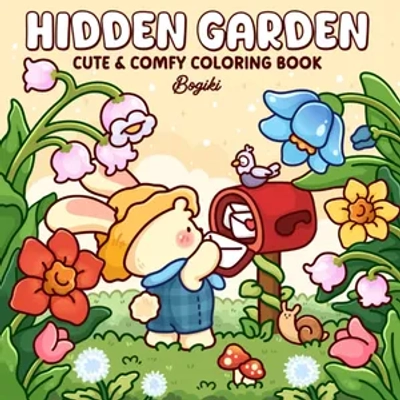
For moments when you’d rather color than plan, the Hidden Garden coloring book brings together trees, flowers, and quiet outdoor corners into peaceful scenes designed for slow, mindful coloring. Let your drawings grow naturally, one small detail at a time, without rushing, without pressure, just following the calm rhythm that feels right for you.

In today’s busy world, finding a truly relaxing moment can be a challenge. This is where coloring books for adults relaxation come to the rescue: helping you pause, focus on the present, and enjoy quiet, creative moments. No longer just a child’s pastime, relaxing coloring books for adults have become a favorite tool for mindfulness, stress relief, and gentle creative exploration. From simple, charming designs to intricate patterns, each adult coloring book for relaxation offers a chance to unwind, reduce stress, and spark imagination in a cozy, comforting way.
This guide will help you explore the benefits of relaxing coloring books for adults, how to choose the perfect one, and highlight some delightful options from Bogiki that make every coloring session a soothing escape.
Before picking a book, it’s important to understand why adult coloring books for relaxation work so well:
Selecting the right relaxing adult coloring book can feel overwhelming, so we’ve broken it down into key factors that impact enjoyment and stress relief
The design complexity of a book greatly affects your relaxation experience:
Simple Designs: Perfect for beginners or anyone seeking quick, soothing sessions. Large shapes and open spaces allow for easy coloring and immediate satisfaction.
Medium-Level Designs: Offer more detail while remaining relaxing. Patterns like floral motifs, daily life scenes, or repeated geometric designs strike a satisfying balance.
Intricate & Detailed Designs: Ideal for those seeking deep mindfulness, featuring mandalas, detailed nature illustrations, or whimsical fantasy scenes that invite patience and focus.
The theme sets the tone for your coloring experience. Bogiki’s collections are thoughtfully designed to suit different moods, each bringing a cozy, playful, or mindful atmosphere.
These pages invite you into simple, charming illustrations that are easy to color and visually satisfying. Each design encourages you to pause, breathe, and enjoy a calm, creative moment. With clear lines and open spaces, coloring becomes relaxing, enjoyable, and perfect for beginners.
Glow Cosmetics Coloring Book |
Fashion Vibes Coloring Book |
For a gentle, relaxing mood, cozy scenes are the perfect choice. These pages transport you into warm interiors, quiet daily life, and soothing activities. Each illustration invites you to pause, breathe, and enjoy a moment of calm. The designs feature soft details and open spaces that make coloring a relaxing and visually satisfying experience.
Cozy Spaces Coloring Book |
Spring Moments Coloring Book |
Bring the tranquility of nature indoors. Lush gardens, flowers, and whimsical forest scenes encourage mindfulness and focus. Each page feels like a peaceful walk through a secret garden, helping you relax and recharge.
Hidden Garden Coloring Book
|
Mushroom Bliss Coloring Book
|
For playful relaxation, fantasy books offer magical landscapes, imaginative creatures, and quirky designs. Coloring these pages is like a mini adventure, letting your imagination soar while gently relieving stress
Dreamy Land Coloring Book
|
Tickle Time Coloring Book
|
The type of paper and format influences both the coloring experience and the tools you use.
Single-Sided Pages – One Side Per Page: Great for preventing bleed-through and allowing easy removal and display.
Double-Sided Pages – Two Sides Per Page: Compact, with more pages in a single book.
Printed Books – Traditional Print: Provides a tactile experience and a sense of immersion in coloring.
Digital Coloring Books – E-Books & Apps: Flexible, reusable, and space-saving.
Selecting the right tools enhances your experience with coloring books for adults relaxation. Consider these options:
To get the most from your coloring sessions, match your chosen book with the tools that feel the most enjoyable. Exploring different mediums with the 5 essential tools can open new ways to play with colors, textures, and techniques—making every page a fresh, relaxing experience and giving your creativity even more room to shine.
From easy starters to dreamy, detailed pages, here are three Bogiki picks for anyone seeking stress relief and mindful creativity.
These books are perfect for days when you just need a break. They’re forgiving and fast, ideal for those new to coloring or wanting a light, soothing activity.

These books strike a perfect balance—not too detailed, not too simple. Coloring them feels like wrapping yourself in a warm, cozy blanket.

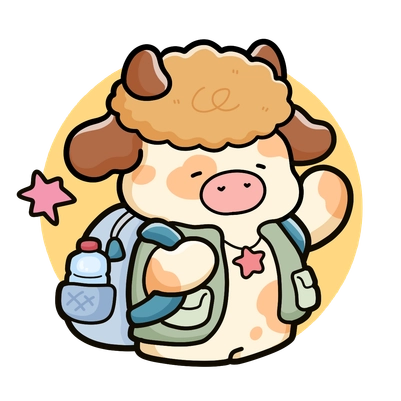
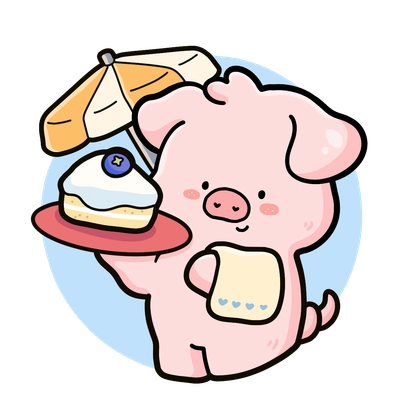
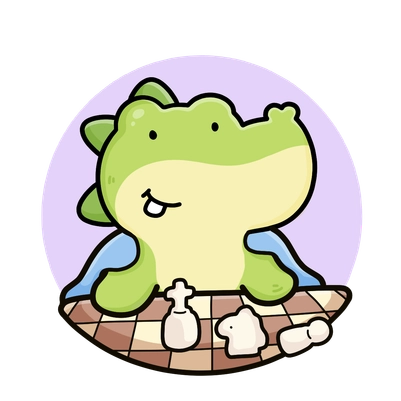
Fuzzy Buddies combines mindfulness with fun. Its approachable patterns and charming themes make it one of the best adult stress relief coloring books, offering gentle relaxation through creativity.

Designed for gentle self-care days, this book feels calm and forgiving. Easy pages help you slow down, relax, and enjoy quiet moments of coloring without pressure or perfection.

Choosing the right coloring books for adults relaxation involves understanding design complexity, themes, formats, and tools. Whether you opt for simple and cozy illustrations or whimsical and intricate worlds, coloring provides a quiet, mindful escape from daily stress.
With options like Cozy Spaces, Hidden Garden, or Fuzzy Buddies, Bogiki offers books designed to foster relaxation, creativity, and joy. Make coloring a mindful habit, and enjoy the calm, playful, and cozy moments it brings into your day.

Learning how to draw fur is less about drawing every tiny hair and more about understanding softness, texture, and gentle layering. In this how to draw fur with markers step-by-step tutorial, you’ll explore calm, beginner-friendly ways to create fur texture drawing for cute animals. By following the illustrated steps closely, you’ll learn how to draw animal fur that feels warm, fluffy, and naturally cozy without pressure or overthinking.
Bear fur often feels comforting because it looks plush, rounded, and slightly uneven, like a favorite stuffed toy. In this method, you’ll focus on how to draw bear fur using speckled textures and gentle layering rather than sharp strokes. The goal is to create a soft, cozy surface where the fur feels thick but calm, making it perfect for beginner-friendly fur texture drawing and relaxed coloring sessions.

Rabbit fur feels light, airy, and delicate, often appearing almost cloud-like. This method demonstrates how to create fluffy fur by emphasizing smooth shading and soft highlights, rather than relying on strong texture. It’s especially helpful for how to draw rabbit fur and characters that need to feel gentle, calm, and comforting, where softness matters more than detail.

Dog fur often sits between plush and smooth, requiring just enough texture to define form without overwhelming the surface. This method focuses on how to draw dog fur by shaping gentle curves and keeping textures subtle. It’s ideal for how to draw fur easy, especially when you want a clean, cozy look that feels calm and approachable.

Fox fur often feels lively and expressive, with visible movement and warmth. This method explores how to draw fox fur by layering strokes that follow the natural flow of the body. It’s perfect for adding personality while still keeping the fur cozy and balanced rather than overly detailed.

How to draw fur becomes more meaningful when it’s part of a quiet, comforting creative rhythm. If you’d like to continue exploring plush textures and gentle personalities, 4 ways to color Fluffy Quilt friends offers deeper insight into soft, character-driven fur styles, helping you understand how texture and emotion work together naturally.
For extended practice, Fluffy quilt coloring book introduces a wide variety of adorable Fluffy Quilt characters placed in diverse, cozy scenes, giving you plenty of space to apply fur techniques and experiment creatively.
If you enjoy characters that feel close, warm, and emotionally comforting, Cuddle buddies coloring book offer gentle companions and intimate moments designed for slow coloring and soft fur layering. These are a few books where you can easily and enjoyably apply the fur drawing techniques from this tutorial, allowing practice to feel natural, relaxed, and genuinely fun.

Walls are often seen as simple backgrounds, but in relaxing coloring books, a wall drawing becomes a quiet storyteller. In this guide, we’ll explore 4 cute wall drawing ideas inspired by cozy coloring illustrations. Each idea follows a clear how-to-draw tutorial step by step, making it perfect for beginners and anyone looking for easy wall drawing, easy techniques for relaxing coloring books.
A brick wall drawing is a classic choice for cozy interiors, cafés, and warm storybook scenes. Instead of sharp lines, this style focuses on soft edges and gentle color variation, making it ideal for relaxing coloring. This approach works beautifully if you’re learning how to draw a brick wall easily while keeping the drawing calm and inviting.
Step-by-step: How to Draw a Brick Wall

Backsplash-style tiles bring a playful rhythm to a scene. With rounded edges and pastel colors, this wall drawing idea feels cheerful and relaxing—perfect for kitchens, cafés, or cozy rooms. It’s also a gentle way to practice how to draw a wall easily using grids and color harmony.
Step-by-step: How to Draw a Tile Wall

Cement tiles bring gentle patterns and symmetry into coloring books. This wall drawing idea is perfect if you enjoy decorative details but still want a relaxing pace. It’s also ideal for those learning how to draw tutorials step by step without overwhelming complexity.
Step-by-step: How to Draw Cement Tile Walls

A stone wall drawing brings nature into cozy scenes. With irregular rock shapes and soft moss details, this style is perfect for storybook gardens and outdoor illustrations. If you’re curious about how to draw stone walls or how to draw a rock wall, this approach keeps things approachable and relaxing.
Step-by-step: How to Draw a Stone Wall

Wall drawings act as grounding elements in illustrations.
If you’re exploring wall drawing tutorial techniques or looking for fresh wall drawing ideas, start with these textures and allow yourself to slow down. You can even combine wall elements with natural surfaces such as warm wood to create richer backgrounds, similar to the gentle techniques shared in wood drawing guides on creating warm and natural wood drawings.
These calming wall textures pair beautifully with cozy-themed coloring books designed for mindful relaxation. Scenes like those found in hygge corner coloring book invite you into soft, intimate spaces where walls, corners, and textures work together to create comfort. Likewise, nook coloring book show how thoughtfully drawn walls help frame small, quiet moments, perfect for slow coloring and peaceful storytelling. Pick up your coloring tools, take your time, and let each wall come alive, one gentle stroke at a time, turning simple spaces into places of calm, warmth, and imagination.
Treat your inbox to a lovely surprise! Sign up now for exclusive content and special gifts

studio@bogiki.com
*Currently, we are unable to handle your call/voicemail/phone message. Please go to our Contact Form and leave an email.