Bogiki - Discover Free Coloring Pages

best seller

new arrivals

HI FRIENDS!

Welcome to Bogiki, where every page sparks joy and creativity for young explorers! At Bogiki, which stands for Boy Girl Kid, we believe that every child—no matter their gender or age—deserves a world of possibilities. Our collection of activity books is designed to captivate curious minds, with everything from coloring and drawing to puzzles that challenge and entertain. More than just books, we aim to inspire, nurture, and celebrate each child’s unique voice and creativity. Join us in making everyday moments extraordinary, where every page is an invitation to dream, learn, and have fun.

Icon GREAT FOR ALL  SKILL LEVELS

GREAT FOR ALL SKILL LEVELS

Both beginners and experts can enjoy books.

Icon SINGLE-SIDED PAGES

SINGLE-SIDED PAGES

Prevents bleed-through and protects every design.

Icon 100% HUMAN-CREATED

100% HUMAN-CREATED

Every design is created by skilled human artists.

Icon CUSTOMER APPROVED

CUSTOMER APPROVED

Trusted and loved by coloring fans worldwide.

CONNECT WITH US

Color Your World with Bogiki! Join the Bogiki community on social media and connect with other coloring lovers. Share your masterpieces, discover new designs, and get exclusive access to giveaways, updates, and more! Follow us on platforms as we spread joy and creativity together!

    THEME

    FAQs

    You have questions? We're here to help.

    icon

    LET CUSTOMERS SPEAK FOR US

    icon
    Review content 0
    Review content 1
    Review content 2
    Review content 3
    Review content 4
    Review content 5
    Review content 6
    Review content 7

    Our blog

    How to Draw Cotton Candy Clouds: A Step-by-Step Guide for Beginners

    How to Draw Cotton Candy Clouds: A Step-by-Step Guide for Beginners

    A cotton candy cloud feels soft, dreamy, and gently sweet, like a quiet moment floating across the sky. In this guide on how to draw cotton candy clouds, you will explore how soft color layers and simple details come together to create a fluffy and playful scene. This step-by-step process focuses on blending, shaping, and adding tiny touches that slowly bring your cotton candy clouds drawing to life.


    Step 1: Blend the Color Base

    Begin with a very light layer using RV01. Let your strokes move softly across the surface so the base feels airy and open. This first layer creates a gentle foundation for drawing cotton candy clouds in a calm and simple way.

    Light RV01 base layer for how to draw cotton candy clouds with soft airy strokes and gentle pastel blending

    Next, add a second layer using R22 and slowly blend it downward. Keep your hand relaxed and allow the color to fade naturally into the first layer. This creates a smooth transition that starts to build the soft sweetness of your cotton candy clouds drawing.

    Adding R22 layer to blend cotton candy clouds drawing with smooth transition and soft gradient effect

    Then, deepen the tone slightly with RV23. Apply this layer with a bit more focus near the lower area, but still keep the edges soft. The gradual change in color helps your cloud feel more dimensional while staying light and fluffy.

    Building depth with RV23 in how to draw cotton candy clouds while keeping edges soft and fluffyon candy clouds drawing with smooth transition and soft gradient effect

    Finally, add the deepest layer near the bottom using RV04. Keep this layer subtle and do not press too hard. This final touch gently anchors the cloud while still maintaining a soft and dreamy overall feel. In how to draw cotton candy clouds, smooth blending is what gives the cloud its soft and airy charm.

    Deepening lower tones with RV04 to enhance dimension in cotton candy clouds drawing softly

    Step 2: Create Fluffy Cloud

    Now begin shaping your cloud using RV04. Draw soft, curved lines that are slightly uneven to form the fluffy edges. Avoid making the shape too perfect. Let each curve feel natural and relaxed so the cloud looks light and playful.

    Sketching fluffy cloud edges with curved lines in how to draw cotton candy clouds step by step

    As you build the form, imagine the cloud slowly expanding like cotton candy. Keep your lines rounded and gentle, allowing the shape to grow in a soft and organic way. This step helps define the overall look of your cotton candy clouds drawing without making it feel stiff.

    Adding acrylic highlights to cotton candy clouds drawing for airy soft light effect and fluffy look

    Once the shape is complete, use an acrylic marker to add soft highlights. Apply these highlights lightly on the upper curves where light would naturally touch. These small touches bring brightness and make the cloud feel airy and full. In how to draw cotton candy clouds, highlights help create that soft, fluffy illusion.

    Step 3: Cover the Black Line

    Using a pink acrylic marker, gently go over the black outlines of your cloud. Let the color blend into the existing layers so the edges appear softer and more natural. This step reduces the harshness of the original lines and makes the cloud feel smoother.

    Covering black outlines with pink acrylic marker in how to draw cotton candy clouds for smoother edges

    In how to draw cotton candy clouds, this step is important because it transforms the drawing from a simple outline into a soft, blended illustration. The cloud begins to feel more delicate and visually calming.

    Step 4: Add Small Sprinkles

    To complete your drawing, use acrylic markers in yellow, green, and blue to add small sprinkles across the cloud. Place them gently and randomly so they feel natural and playful. These tiny dots should not be too dense. Keep them light and scattered.

    Adding colorful sprinkles to cotton candy clouds drawing using acrylic markers for playful details

    Each sprinkle adds a small pop of color that enhances the sweetness of the cloud. Together, they create a fun and cheerful effect that makes your cloud look just like cotton candy. This is where your cotton candy clouds drawing really comes to life.

    Final cotton candy clouds drawing with pastel colors soft blending and cute sprinkle accents

    Take your time and enjoy placing each detail. In how to draw cotton candy clouds, these finishing touches bring personality and charm while keeping the overall look soft and cozy.


    Watching how to draw cotton candy clouds can help you better understand how each layer blends together. As you follow along, notice how the colors softly transition and how the cloud shape slowly forms through gentle curves.

    Take your time with the process and allow your hand to move naturally. This is a quiet and relaxing way to explore your creativity while building confidence with soft blending and simple shapes.


    After finishing your cotton candy cloud, you might enjoy exploring more cloud ideas through How to Draw a Cloud Step by Step. Beyond cotton candy clouds drawing, you can try simple cloud step-by-step shapes, soft sunset clouds, or even gentle storm clouds with deeper tones.

    As you continue practicing how to draw cotton candy clouds, these variations help you feel more comfortable with different textures and moods. If you would like a cozy place to practice, the Cozy Plants coloring book offers soft illustrations that pair beautifully with this style and help you bring your ideas to life.

    Mother’s Day Coloring Book Gift Ideas: Warm Way to Say Thank You Mom

    Mother’s Day Coloring Book Gift Ideas: Warm Way to Say Thank You Mom

    Every May, Mother’s Day gently reminds us to slow down and think about the person who has always been there for us and loved us unconditionally. It’s not about big or expensive gifts, but about finding something small that carries love and care. If you are looking for gentle and sincere inspiration, Mother’s Day coloring book gift ideas can be a lovely starting point, helping you choose something simple yet meaningful. A cozy coloring book or a handmade gift can become a sweet way to say thank you to mom.


    Mother’s Day, celebrated on the second Sunday of May, has long moved beyond being just another date on the calendar. It becomes a gentle pause, a moment to slow down and notice the quiet sacrifices mothers make every day. From the smallest acts of care to the constant presence that often goes unspoken, these details can easily fade into the background of everyday life.

    Because of that, a gift for mom does not need to be extravagant. What matters most is the feeling it leaves with her. That is why Mother’s Day coloring book gift ideas feel so special — simple, soft, and something she can enjoy in her own quiet moments.


    A coloring book is a simple gift, but it carries small, warm moments that feel close and meaningful when thinking about Mother’s Day coloring book gift ideas:

    Mother’s Day coloring book gift ideas featuring a cozy book and soft illustrations for meaningful moments with mom

    • It gives your mom a gentle reason to slow down for a while, especially on days she is always busy taking care of everyone else.
    • It creates small shared moments when you sit beside her, even just coloring quietly together.
    • It becomes something she can return to anytime, like a soft pause she can keep for herself in daily life.
    • It turns an ordinary moment at home into something warmer, where you and your mom can simply be near each other.
     

    Mom Moments Coloring Book

    Mom Moments coloring book with cute animal illustrations showing everyday mother and child bonding moments at home

    Mom Moments gently brings back familiar feelings about motherhood in a soft and adorable way. Mother and child are illustrated as fuzzy animal characters with rounded, warm lines, creating an instant sense of comfort from the very first pages.

    It unfolds everyday shared moments such as cooking together in the kitchen, tidying up the home, caring for a small garden, or simply sitting side by side and talking. Each page feels like a small piece of memory preserved within daily life. The combination of cute fuzzy characters and relatable situations makes every illustration feel soft, warm, and emotionally easy to connect with. Mom Moments Coloring Book feels like a gentle choice for anyone who wants to hold onto the beauty of small, everyday moments shared with mom.

    Mom Moments Coloring Book 2

    Mom Moments coloring book 2 featuring daily family life scenes with warm, gentle illustrations for relaxing time with mom

    If the first edition feels like early memories of mother and child, this second volume gently expands into more everyday life moments. It still carries the same warm and soft spirit, but goes deeper into the familiar rhythm of family living.

    The book includes relatable scenes such as quiet mornings, small household routines, and short pauses between busy parts of the day. Each page reflects the steady, natural presence of a mother in daily life, creating a sense of familiarity and quiet emotional connection.

    Dear Mom Coloring Book

    Dear Mom coloring book with emotional mother and child scenes capturing hugs, quiet time, and meaningful shared moments

    Giving the Dear Mom Coloring Book feels like offering a quiet space for slowing down and enjoying gentle moments of calm. It features tender mother-and-child illustrations, with each page designed to feel soft, warm, and emotionally close.

    Each illustration captures simple real-life moments such as sharing a hug, sitting together, or spending quiet time side by side. The drawing style leans toward realism, making each scene feel like a lived memory rather than something imagined.

    What makes this book special is its ability to gently bring back very real memories. As each page is turned, it naturally reminds the reader of familiar moments once shared with a mother, in a soft and effortless way.

    Happy Moments Coloring Book

    Happy Moments coloring book showing family bonding activities like meals and conversations in a warm home setting

    Happy Moments expands its focus to family moments rather than only mother and child. The content revolves around familiar daily activities such as shared meals, gentle conversations, and simple routines within the home space.

    Each page offers a small slice of everyday life, where simple moments come together to create a warm feeling of “being together.” This continuity and familiarity make the coloring experience feel light, comforting, and perfect for sharing or relaxing quietly. Happy Moments Coloring Book is a lovely pick if you want to feel family warmth through the simplest, most natural moments.

    Gentle Joys Coloring Book

    Gentle Joys coloring book with soft animal characters bringing nostalgic childhood feelings and emotional comfort for mom

    A slightly unique and interesting choice in the list of Mother’s Day coloring book gift ideas, when Gentle Joys coloring book does not follow familiar everyday family scenes, but gently opens a space that returns to childhood memories.

    There, Joy and her fuzzy animal friends appear in warm, cozy moments, creating a feeling that is both close and tender. This sense of innocence naturally brings back a peaceful emotion, like a reminder of care, love, and those early years of growing up in a mother’s embrace, making the book a thoughtful and meaningful gift for moms. A quiet choice for anyone who wants to revisit softness, innocence, and emotional comfort in a more symbolic way.


    At the end of the day, the most beautiful Mother’s Day gift is not about its value or appearance, but the love and care behind it. A coloring book may be very simple, but it carries gentle, relaxing, and heartfelt moments that a mother can truly feel. Whether she colors alone or shares those moments with you, it becomes a soft reminder of love that lasts beyond just one day. That’s why Mother’s Day coloring book gift ideas can be such a meaningful way to inspire a thoughtful and heartfelt gift choice.

    How to Draw a Beach Scene Step by Step: Easy Guide for Coloring Pages

    How to Draw a Beach Scene Step by Step: Easy Guide for Coloring Pages

    The beauty of the sea is something I always want to capture through my artwork. Each moment carries its own gentle mood, from a warm sunset glow to a quiet underwater beach, from swaying coconut trees to soft ocean waves. In this guide on how to draw a beach scene step by step, you can explore these peaceful ideas in a simple and relaxing way, using soft colors and easy shapes that feel natural for beginners.


    A beach sunset feels like a quiet moment at the end of the day, where everything slows down, and soft colors gently blend into each other. This idea is perfect if you are exploring how to draw a beach scene step by step, as it helps you practice light, color transitions, and calm compositions that feel warm and relaxing.

    • Step 1: Begin with light tones for the sky and softly add reflected light on the sea surface. Keep everything gentle and slightly blended to create a calm base.
    • Step 2: Add sunset gradients, letting the sky and sea slowly transition from light to darker warm tones. This helps build depth in your how to draw a beach scene step by step practice.
    • Step 3: Use acrylic markers to trace the black outline of the sun and draw flowing wave effects across the water. Keep the lines smooth and natural.
    • Step 4: Finish by adding soft clouds and small sparkling details in the sky using acrylic markers to create a warm, glowing atmosphere.

    How to draw a sunset on the beach with warm gradient sky, calm ocean reflections, gentle waves on horizon


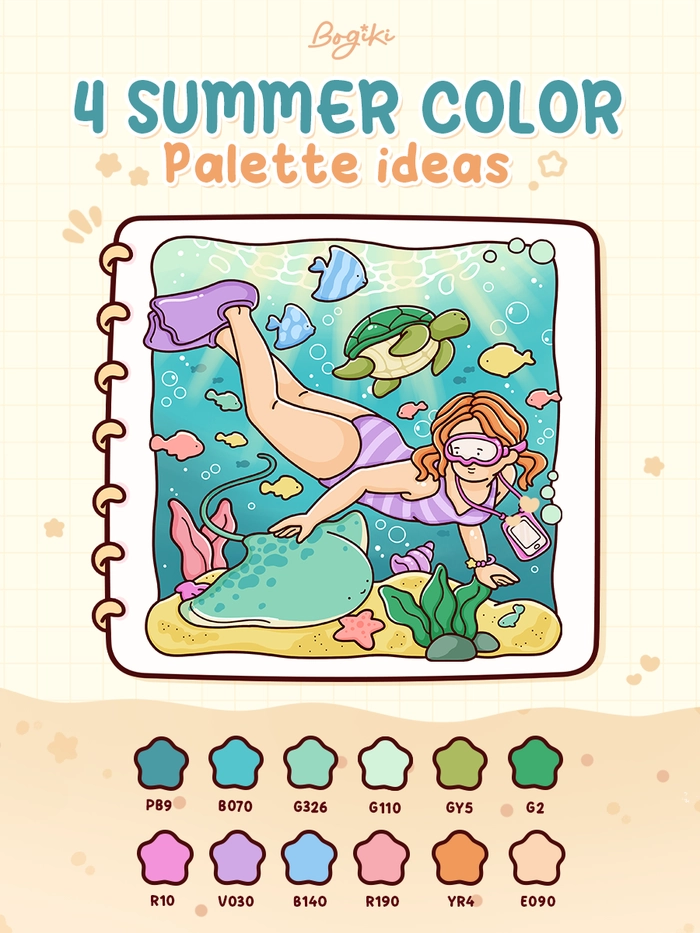
    An underwater beach scene brings a completely different mood, soft, floating, and a little dreamy. Instead of focusing on clear shapes, you can play with light, movement, and gentle textures. It is a lovely way to try how to draw an underwater scene while creating something peaceful and slightly magical for your coloring pages.

    • Step 1: Blend a smooth gradient for the sea, moving from deeper blue to lighter tones, and add soft sandy colors for the ocean floor.
    • Step 2: Draw small schools of fish and add irregular circular shapes to suggest texture and gentle movement across the seabed.
    • Step 3: Use acrylic markers combined with a white gel pen to create subtle water ripple effects, keeping the lines light and fluid.
    • Step 4: Add bubbles with a white gel pen and use colored pencils to draw soft light rays passing through the water for depth, a calming way to explore how to draw a beach scene step by step from a new perspective.

    How to draw an underwater beach scene with blue gradient water, small fish, bubbles, soft sand and light rays filtering down


    A tropical beach feels warm, open, and full of light, like a small escape into a sunny place. With simple elements like coconut trees and soft waves, this scene helps you explore how to draw a tropical beach in a way that feels balanced and easy, perfect for bright and cheerful coloring page designs.

    • Step 1: Create a soft gradient base layer to sketch the overall composition of the sky and sea, keeping the colors light and airy.
    • Step 2: Deepen selected areas on the sea surface to create gentle light reflection effects on the water.
    • Step 3: Draw simple clouds and use acrylic markers to highlight soft wave movements, keeping the shapes rounded and relaxed.
    • Step 4: Add coconut trees to complete the scene, letting them lean slightly to bring a natural tropical feeling to your how to draw a beach scene step by step process.

    Simple tropical beach drawing with leaning coconut trees, soft waves, bright sky and calm sunny seaside atmosphere


    Seashore add a soft sense of movement, making your beach drawing feel more alive without becoming complicated. By focusing on simple curves and gentle contrasts, you can learn how to draw a beach step by step in a more dynamic way, creating a scene that feels fresh, light, and naturally flowing.

    • Step 1: Fill the sea background with soft blue tones as the base layer, keeping the color smooth and even.
    • Step 2: Use warm tones to color the sand, creating a gentle contrast with the water and grounding the composition.
    • Step 3: Use acrylic markers to draw white wave edges, letting the curves flow naturally across the surface.
    • Step 4: Finish by adding crashing waves, sea foam, and small decorative sea creatures, helping your how to draw a beach scene step by step feel more lively while still staying soft and simple.

    How to draw ocean waves with flowing white foam, soft blue water, sandy shore and gentle curved wave details


    As your how to draw a beach scene step by step journey begins to feel more familiar, it naturally opens into a wider world of water. Beyond the shoreline, you can explore How to Draw Water Step by Step, where gentle rivers, quiet pools, and soft waterfalls each bring a different mood, helping you understand how water flows, reflects, and softly changes across scenes.

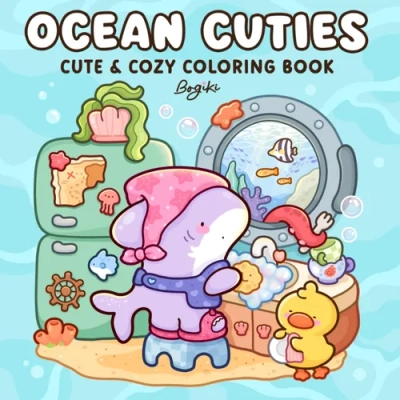
    That same calm rhythm can continue inside the Ocean Cuties Coloring Book, where your beach ideas drift into a gentle underwater world. Small ocean friends, soft textures, and cozy details create a space where practicing how to draw a beach scene step by step blends naturally with coloring, turning simple sketches into warm and playful moments.

    A brighter and more sunlit feeling appears in the Sunny Days Coloring Book, where beach days, poolside fun, and riverside scenes come together in a cheerful way. These lively pages give you space to apply how to draw a beach scene step by step while enjoying lighthearted summer moments filled with adorable characters.


    To gently continue your how to draw a beach scene step by step journey, a simple printable page can be created as a quiet space for practice. It brings together all four ideas, from sunset skies and underwater views to tropical beaches and soft waves, arranged in an easy and calming layout.

    You can use this page to slowly practice blending colors, shaping soft details, and building each scene at your own pace, turning every small step into a relaxing and cozy creative moment.

    How to Use Acrylic Markers for Coloring Books: A Beginner’s Guide

    How to Use Acrylic Markers for Coloring Books: A Beginner’s Guide

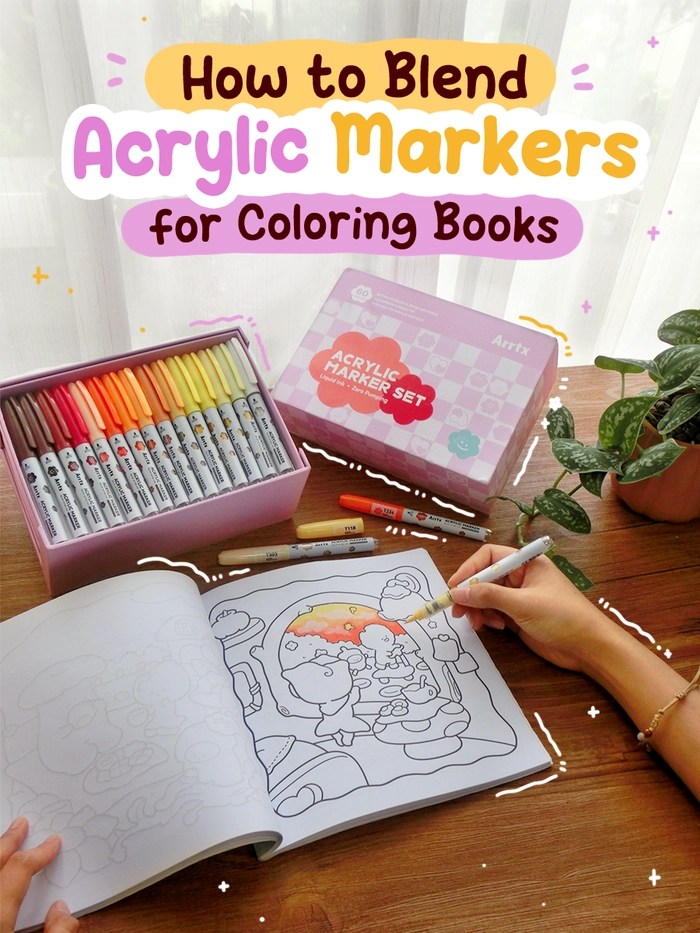
    Acrylic markers are easy-to-use paint pens that work like regular markers but give a smooth, opaque color on paper. In this guide, you’ll learn how to use acrylic markers for coloring books in a simple and cozy way. From flat coloring and blending to shading, textures, and highlights, each technique helps you build color step by step and make your pages more lively, creative, and enjoyable without feeling complicated or overwhelming.


    Acrylic markers are paint pens filled with water-based acrylic paint. Unlike regular markers, the color sits on top of the paper instead of soaking in, creating a smooth, opaque finish.

    Beyond coloring book paper, they can be used on materials like wood, fabric, or glass, making them a versatile choice for bold details, craft projects, and decorative accents that need strong, lasting color.

    Acrylic markers illustration for coloring books showing opaque paint pen layering and smooth color application on paper


    Steps to activate an acrylic marker

    Acrylic markers need a short activation process before the paint begins flowing properly. Preparing the marker correctly is an important step in learning how to use acrylic markers, as it prevents sudden paint blobs and helps the color flow smoothly while coloring.

    Step 1 Shake the marker well with the cap on until you hear the mixing ball inside. This helps blend the paint evenly.
    Step 2 Remove the cap and press the nib gently onto scrap paper to start the ink flow.
    Step 3 Continue pumping the nib a few times until the paint starts coming out smoothly.
    Step 4 Once the nib is fully saturated with paint, the marker is ready to use.

    Choosing the Right Paper for Acrylic Markers

    When learning how to use acrylic markers, paper really matters. Try to pick books with thicker paper (around 160–200 GSM or higher). It helps prevent bleed-through and keeps your pages safe. Thicker paper also makes coloring feel smoother, and your layers will sit nicer on the surface without damaging the page.


    When learning how to use acrylic markers, these techniques become especially helpful because acrylic paint builds gradually, allowing you to layer color, adjust pressure, and let each layer settle before adding new details.

    Flat coloring and layering

    Flat coloring, layering, and pattern layering are three simple techniques often used together when coloring with acrylic markers. Flat coloring creates a smooth base layer, layering helps build richer and more even color, and pattern layering adds small decorative details on top. When learning how to use acrylic markers, these steps help you gradually build color while keeping the surface clean and controlled.

    Flat coloring and layering with acrylic markers for coloring books creating smooth base coat and even color surface

    How to do it

    • Flat coloring: Start by selecting a base color and filling the area slowly with steady strokes. Moving the marker in the same direction helps the paint settle more evenly across the page.
    • Layering: After the first layer dries completely, apply a second thin layer over the same area. Building color this way helps the surface look smoother and more even without streaks.
    • Pattern layer: Once the base color is fully dry, you can add small patterns on top, such as dots, short lines, or tiny shapes. These simple details help the illustration feel more lively while keeping the base color visible.

    Tips

    Use light pressure so the nib glides smoothly across the paper. Always let each layer dry fully before adding the next one so the paint stays clean and even. Keeping the base layer smooth also helps patterns and decorative details stand out more clearly.

    Blending

    Blending allows two colors to transition softly into each other and adds a gentle gradient effect to a coloring page. Acrylic markers do not blend exactly like alcohol markers because the paint dries more quickly on the surface, but smooth color transitions are still possible when the paint is worked while slightly wet.

    Blending acrylic markers for coloring books creating soft gradient transitions between colors on paper artwork

    How to do it

    • Apply the first color to one part of the area, then quickly place the second color beside it while the paint is still workable. When learning how to use acrylic markers for blending, it helps to work in small sections so the paint stays slightly wet.
    • Lightly move the marker back and forth where the colors meet so the boundary becomes softer. (Some artists also soften the transition using gentle blending and smudging with a fingertip or cotton swab).

    Tips

    Choose colors that are close in tone for smoother blends. Work in smaller areas so the paint does not dry too quickly. Blending slowly and patiently usually produces the best results.

    Shading

    Shading introduces depth and helps simple drawings appear more dimensional. It is commonly used when coloring clothing folds, flower petals, leaves, or objects that naturally cast shadows. Acrylic markers make shading approachable because darker layers can be added gradually on top of lighter colors.

    Shading with acrylic markers in coloring books adding depth, shadow, and dimension to simple illustrations

    How to do it

    • When practicing how to use acrylic markers for shading, begin with a flat base color and allow it to settle briefly.
    • Add a slightly darker color where shadows naturally occur, such as near edges, folds, or underneath overlapping shapes.
    • Gently soften the darker tone inward so the shadow blends smoothly into the base color.

    Tips

    Work gradually with small amounts of darker color rather than adding heavy shading all at once. Subtle shading often creates a softer and more natural look.

    Textures

    Texture techniques for how to use acrylic markers help coloring pages feel more lively by breaking up large flat areas. Instead of covering the surface evenly, these texture methods create small visual variations that mimic natural materials like grass, clouds, stone, or fabric.

    Texture techniques using acrylic markers for coloring books like stippling and scumbling for natural surface effects

     
    Stippling Small dots placed close together or farther apart to create light and shadow.
    Scumbling Loose irregular strokes that allow parts of the paper or lower layers to remain visible.

    How to do it

    Stippling builds shading gradually using clusters of dots, while scumbling creates texture by layering light, uneven strokes. Both techniques rely on patience and gentle pressure rather than solid coverage.

    Tips

    Work slowly and build texture gradually so the surface does not become too dark. When practicing how to use acrylic markers for texture, keeping your hand relaxed and layering marks slowly helps the effect look more natural. These techniques are especially effective for natural elements such as plants, hair, or soft fabrics.

    Highlight

    Highlights add brightness and help separate objects from the background. They represent the areas where light touches a surface most strongly. With acrylic markers, highlights are often created using a lighter color placed carefully along edges or raised areas.

    Highlights with acrylic markers in coloring books adding light accents and contrast to enhance illustration details

    How to do it

    Choose a shade that is slightly lighter than the base color and apply thin strokes where light would naturally fall. Rim highlights are commonly used along the outer edge of shapes to suggest a soft glow around the object.

    Tips

    Keep highlights subtle and avoid placing them everywhere. A few carefully placed highlights usually look more natural and help the drawing stand out.


    If you are learning how to use acrylic markers, and the marker stops flowing, becomes dry, or the nib is worn, it can be replaced.

    • Hold the marker with the nib facing upward.
    • Gently pull out the old nib using a tissue or paper towel.
    • Insert the new nib into the marker mouthpiece.
    • Shake the marker and pump the nib on scrap paper until paint flows.
    • Once the nib is fully filled again, the marker is ready to use normally.
     

    Acrylic markers are one of many coloring tools, each with its own feel and purpose. When you start comparing them at a basic level, it naturally helps you figure out how to choose the best type of markers for adult coloring books based on your own coloring style and preference.

    Beyond markers, there are many other ways to enjoy coloring. Colored pencils, watercolor, crayons, gel pens, and more all bring different textures and experiences to the page.

    Exploring these options gently opens up a wider world of creativity and helps you discover different coloring mediums for coloring books, so you can find what feels most relaxing and enjoyable for you.

    In short, learning how to use acrylic markers for coloring books becomes easier once you understand how the paint behaves on paper. Techniques such as flat coloring, blending, shading, texture building, and highlighting allow colors to build gradually and create depth in simple illustrations. With a little practice, acrylic paint markers can transform ordinary coloring pages into soft, layered artwork that feels calm and expressive.

    How to Draw Hair Step by Step: Easy Guide for Coloring Pages

    How to Draw Hair Step by Step: Easy Guide for Coloring Pages

    If you are looking for simple and cozy girl hair drawing ideas to get inspired, you can explore the first part of this series, where soft and beginner-friendly styles are introduced. In this guide, we gently move beyond ideas and focus on how to draw hair step by step, helping you understand each stage of the process through more detailed styles, such as blonde hair, ombre blends, soft curls, and anime looks. With a calm and easy rhythm, each section will guide you through drawing hair in a way that feels clear, relaxing, and natural.


    Blonde hair often feels light and airy, almost like it is catching a bit of sunlight. When you begin to draw it, everything starts from soft layers rather than strong lines. This makes it a calm and approachable way to understand how to draw hair step by step, especially when you are just getting comfortable with color and gentle shading.

    • Step 1: As you begin learning how to draw hair step by step, start by applying a light yellow base across the entire hair area. Keep your strokes even and soft, then blend in a slightly warmer yellow to build a natural-looking foundation.
    • Step 2: Add darker yellow tones around the roots, under layers, and in areas where hair overlaps. This step creates depth and helps the hair feel fuller rather than flat.
    • Step 3: Use a fine tip tool to draw thin, flowing strands. Follow the natural direction of the hair and avoid over-drawing. A few well-placed lines will feel softer than too many details.
    • Step 4: Finish by adding highlights with a white gel pen on the top layers and gentle folds. This is where you learn how to highlight hair drawing in a simple but effective way, giving the hair a soft, glossy finish.

    How to draw blonde hair step by step with soft layers, yellow shading, and highlights for a natural glowing look


    Ombre hair has a quiet, flowing transition that feels smooth from root to tip. Instead of thinking about each strand, you can simply follow how one color melts into another. This kind of process makes learning how to draw hair step by step feel more relaxed, where blending becomes the main focus, and the overall shape slowly appears on its own.

    • Step 1: Begin by blending your base colors from dark blue at the top to a lighter blue toward the ends. Work slowly between the tones so the transition feels soft and seamless.
    • Step 2: Lightly draw hair strands to define the direction and flow. Let your lines follow the movement of the gradient instead of forcing structure.
    • Step 3: Add highlight lines using a white gel pen. Focus on areas where light would naturally reflect to enhance the shine and depth.
    • Step 4: Use a blue acrylic pen to gently cover harsh black outlines. This softens the drawing and increases contrast without breaking the smooth color transition.

    How to draw ombre hair step by step with smooth blue gradient blending and soft highlight details for depth


    Curly hair brings a playful rhythm, where each curve softly connects to the next, making the process of how to draw hair step by step feel more relaxed and natural. Rather than trying to control every detail, you can let your hand follow these natural waves and build the texture step by step. It is a gentle way to explore how to draw simple hair while still creating something that feels full and lively.

    • Step 1: Apply a light orange base color evenly across the hair area. This creates a warm foundation for the curls.
    • Step 2: Draw curved lines that follow the natural direction of the curls. Think of them as soft waves connecting together rather than separate pieces.
    • Step 3: Add darker tones inside the curves, especially where curls overlap or fold inward. This helps create depth and gives the hair more body.
    • Step 4: Place highlights along the outer curves of the curls. These small touches bring out the texture and make the hair feel soft and lively.

    How to draw short curly hair step by step with soft waves, warm tones, and natural highlights for texture


    Anime hair feels a little different, as it is built from clear shapes instead of many small strands. You can start by looking at the overall form first, then slowly break it into sections that are easy to manage. This approach helps you understand how to draw hair step by step on a head in a simple and structured way, while still keeping the process light and enjoyable.

    • Step 1: Apply a flat base color across the entire hair shape. Keep it smooth and even to prepare for layering.
    • Step 2: Divide the hair into large sections, following how it falls from the head. These sections help create a clear and balanced structure.
    • Step 3: Add darker tones in selected areas, such as under layers or near the roots. This builds depth while keeping the overall style simple.
    • Step 4: Use soft, curved lines to refine the edges and complete the form. This final step in how to draw hair step by step brings everything together and gives the hair its finished, stylized look.

    How to draw anime hair step by step for beginners using simple shapes, smooth shading, and clean stylized lines


    You can continue exploring how to draw hair step by step here, or take a look at the girl hair drawing ideas guide for a different range of styles. While this article focuses on clear step-by-step guidance, the other offers a softer look at hairstyles and visual inspiration, giving you more ways to enjoy drawing hair in your own rhythm.

    You can also bring these hairstyles into cozy coloring moments with the Soft Dreamy Coloring Book, where gentle illustrations of Luna and her friends, each with soft and varied hairstyles, give you a quiet space to try out different looks in your own way.

    Another sweet option is Girly Diaries Coloring Book, filled with cute characters and a variety of hairstyles to explore. It feels like a small, relaxing space where you can slowly play with colors and enjoy practicing different hairstyles at your own pace.


    To support your how to draw hair step by step journey, a free printable practice page is prepared for you to download. It brings together all four hairstyles from this guide in a clean and easy-to-follow layout. You can use this page to gently practice drawing and coloring each style in one place, returning to it anytime you like in a calm and cozy rhythm.

    Share keep in touch with us

    Treat your inbox to a lovely surprise! Sign up now for exclusive content and special gifts